


Advice
Dig In and Grow Your Own
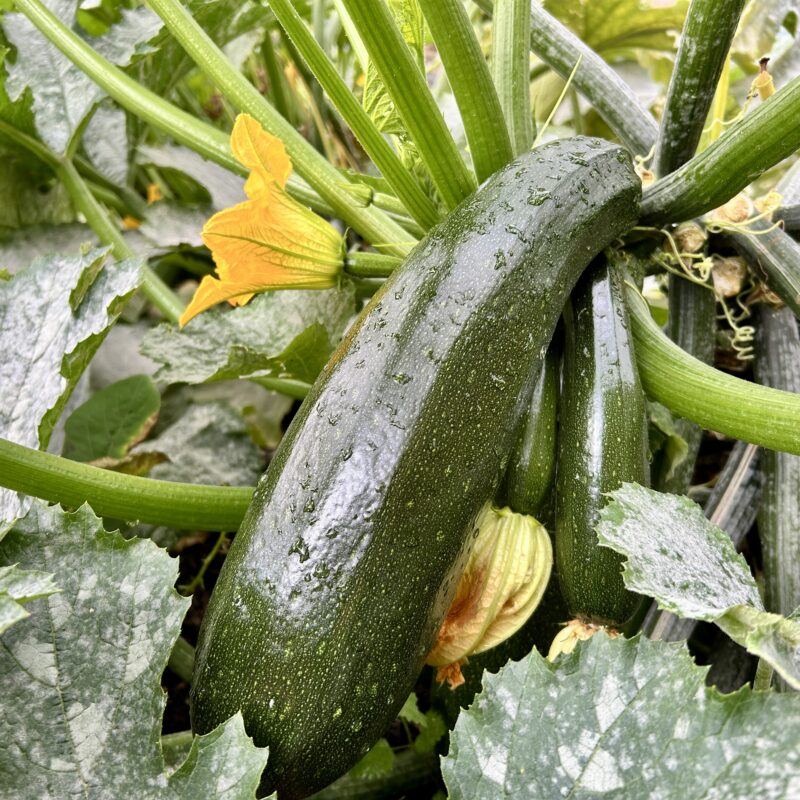
June is the time when vegetable growers are often at their busiest. Risk of frost has come to an end (even in Cumbria!) so it is time to move the tender crops like tomatoes, cucumbers, and courgettes that you have been growing in your green house or bought from a nursery and plant them outside or in their final growing position in the greenhouse.
There is nothing better than harvesting your own salad throughout the year so it is the ideal time to direct sow fast-growing salads, and if you get into the habit of succession sowing you will have a continuous supply of salad leaves until Autumn. Now that the soil has warmed up and the days are longer you can also sow seeds like beetroot, carrots, kale and radish directly into the ground.
Peas and beans will start to put on more rapid growth, so it is important to ensure they have adequate support. At this time of year, pests and diseases also become more active. Protect vulnerable crops, particularly brassicas, with netting, or try planting nasturtiums amongst them to act as a ‘trap’ crop to lure the aphids away. While planting carrots alongside alliums such as leeks or spring onions can help deter carrot fly.
If your space is limited, companion planting is an effective and productive solution. Fast-growing crops such as lettuce and spinach can be tucked in between slower-maturing vegetables like broccoli or Brussels sprouts. Or you could experiment with the traditional ‘Three Sisters’ method, combining sweetcorn, climbing beans and squash or courgettes in the same bed. The beans climb the corn, while the squash spreads across the soil, helping to suppress weeds and retain moisture.
Even If you aren’t fortunate enough to have your own veg patch then many crops can be grown in containers. Chantenay carrots, salad potatoes and salad leaves are all well suited to pots, while tumbling tomatoes look great in hanging basket. Just ensure the pots are deep enough to allow room for growth and keep them well watered.
Maintaining a consistent watering routine is essential, particularly during dry spells. Evening watering is ideal, allowing moisture to soak into the warm soil overnight. If that’s not possible, water early in the morning so plants can absorb what they need before the heat of the day causes evaporation.
At Larch Cottage Nurseries, our Kitchen Garden supplies the restaurant with fresh seasonal produce every day, and you too could soon be enjoying the fruits of your labour. From a crisp salad, home grown roasties or hearty vegetable soup, there is nothing quite like the flavour and satisfaction of food that you have lovingly grown yourself.
