


Advice
Roses – The Soul of the English Garden
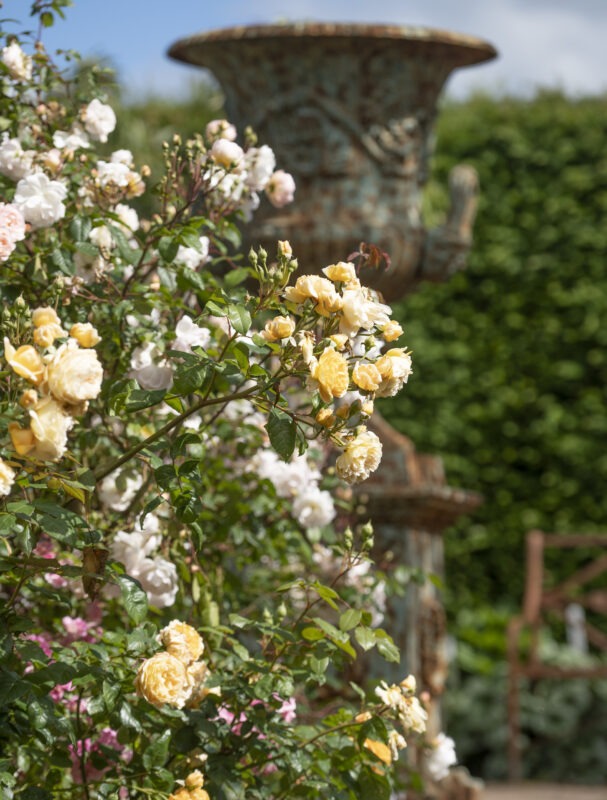
Roses have been loved for centuries, and it is easy to see why. Many historic houses still feature rose beds proudly at their heart. At Larch Cottage we specialise in Old Fashioned roses, renowned for their intense fragrance — something many modern hybrids have lost. These traditional varieties are mostly summer flowering and often date back to the 1800s, including Gallicas, among the oldest cultivated roses.
The introduction of Chinese roses in the late 18th century led to the development of New English Hybrid roses with repeat-flowering qualities. These hybrids combine the rich perfume and character of antique roses with the ability to flower throughout the season. Renaissance roses are another excellent choice, offering repeat flowering alongside strong disease resistance.
There is a rose for almost every garden situation, but to achieve the best results, plant roses in a sunny position with at least four hours of sunlight each day. Avoid very exposed, windy sites and give plants enough space so they do not compete for water and light. If replacing an old rose, additional care should be taken to avoid replant disease.
Roses are hungry plants and benefit from regular feeding. Border roses should be fed at least twice a year to encourage abundant blooms, while container-grown roses require more frequent feeding due to limited nutrients. Feed every fortnight from mid-spring to late summer, using a general-purpose liquid fertiliser until buds appear, then switch to a high-potash feed, such as tomato fertiliser, to promote flowering.
Deadheading faded blooms encourages further flowers by preventing hips from forming. However, some roses produce beautiful hips that provide valuable winter food for thrushes and blackbirds, so these can be left from mid-summer onwards.
When pruning, follow the “3D’s” — remove dead, diseased, or damaged growth, along with weak or crossing stems, to maintain good airflow. Cut just above an outward-facing bud to encourage an open shape and no more than 5mm above the bud, sloping downwards, so that water does not collect on the bud.
With so many roses available, choosing often comes down to flower style, fragrance, and the space available — from compact patio roses to vigorous ramblers. For pure scent and timeless beauty, Old Fashioned, New English Hybrid, and Renaissance roses remain hard to beat.
