


Advice
Jobs for February
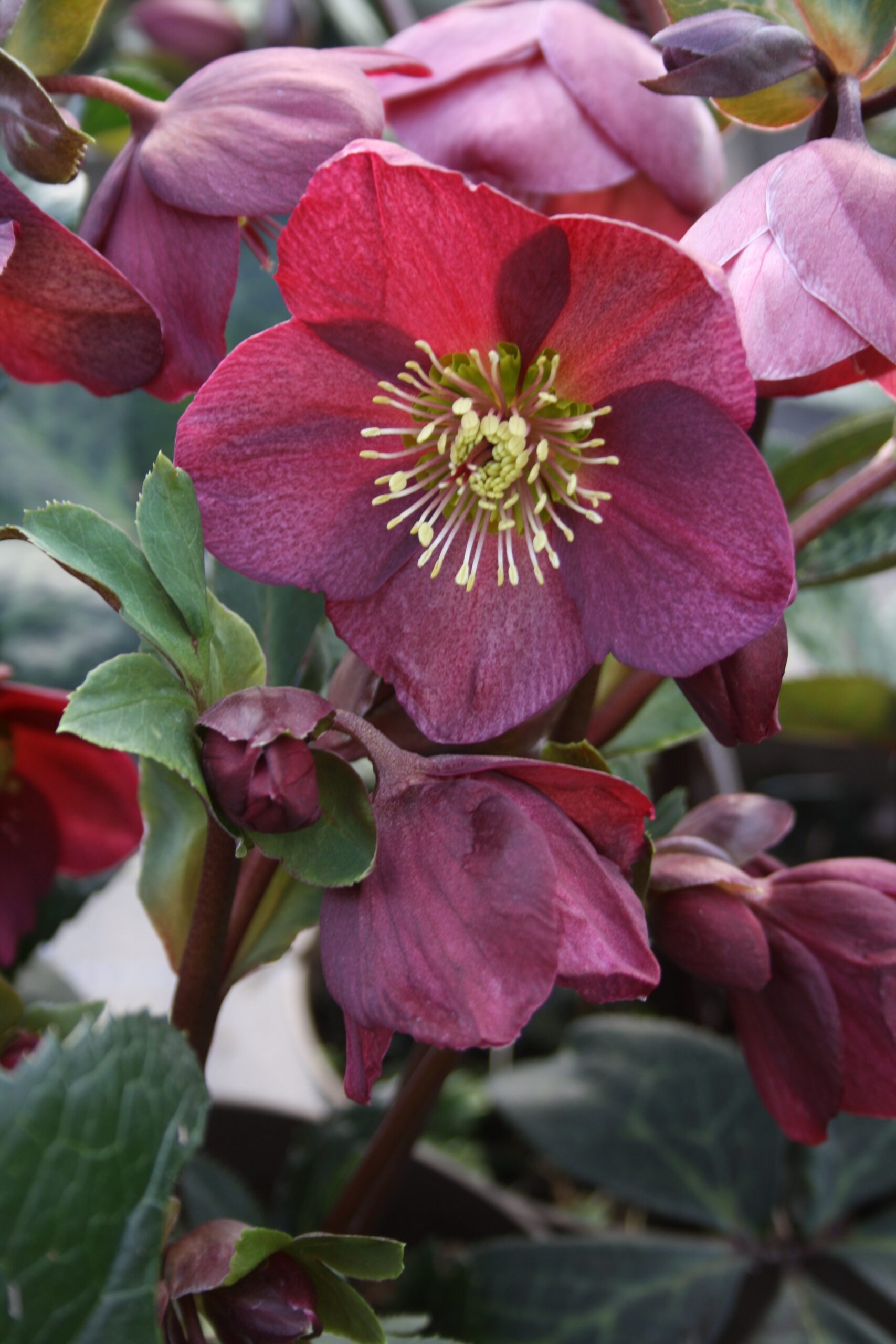 February is the month when finally there are signs of the approaching spring. Bulbs begin to appear and wildlife becomes more active as day length and temperatures increase. There’s plenty to do indoors at this time of year to prepare for the season ahead. Whilst as the garden comes to life again outside, it’s time to prune certain shrubs and climbers and prepare your vegetable beds.
- Prepare veg beds for sowing by weeding thoroughly, then cover with a thick layer of garden compost
- Sow some vegetables seeds under cover
- Chit potato tubers – It’s important with earlies, and a good idea with maincrops, to ‘chit’ the seed potatoes before planting. This means allowing them to start sprouting shoots.
- Finish winter pruning fruit trees and soft fruits, including apples, autumn raspberries and blackcurrants
- Protect blossom on apricots, nectarines and peaches
- Prune winter flowering shrubs that have finished flowering
- Divide large clumps of snowdrops and winter aconites after flowering and replant to start new colonies
- Cut down deciduous ornamental grasses, such as Miscanthus, left standing over winter, before fresh shoots appear
- Divide congested clumps of herbaceous perennials and grasses to make vigorous new plants for free and also move deciduous shrubs growing in the wrong place, while they are dormant
- Prune winter-blooming shrubs such as mahonia, winter jasmine and heathers, once they’ve finished flowering
- Cut back wisteria side shoots to three buds from the base, to encourage abundant flowers in spring
- Sprinkle slow-release fertiliser around the base of roses and other flowering shrubs
- Renovate overgrown hedges with pruning
- It is the perfect time to plant roses. Add well-rotted manure, or compost, into the planting hole, and mycorrhizal fungi to the damp roots of plants as this will help them to quickly establish. However, don’t use fertiliser if you are using this, as it may kill off the beneficial fungi.
- Prune group 3 Clematis. Group 3 plants begin active growth in spring, and flower during summer to late autumn. Take back many of the old stems to a pair of healthy buds 20-30cm above the ground. Space any remaining stems evenly and tie in, to prevent the plant from becoming untidy and congested.
- You can begin warming the soil by covering it in fleece or plastic, in preparation for planting in the vegetable garden.
- There is still time to sow sweet peas in deep pots and keep them frost-free in a greenhouse or on a sunny windowsill
- Now is a good time to begin sowing half-hardy annuals that require a long growing season, such as pelargoniums and begonias
- Plant dahlia tubers in trays to encourage shoots to develop, which you can then use as cuttings.
